12 articles
-
Tool Use in LLMs Explained

Tool use in LLMs explained: the limits it overcomes, the kinds of tools, the reason-act loop behind agents, how to make it reliable, and common mistakes.
AI · 2026-08-01 · 9 min read
-
Function Calling in LLMs Tutorial
Function calling in LLMs tutorial: how the tool-call loop works, a worked code example, writing good tool definitions, and the pitfalls to avoid.
AI · 2026-08-01 · 9 min read
-
AI Agent Frameworks Compared (2026 Guide)
AI agent frameworks compared: LangGraph, CrewAI, the AutoGen/Microsoft lineage, vendor SDKs, and specialists—plus tradeoffs, MCP/A2A, and how to choose.
AI · 2026-06-26 · 13 min read
-
When to Fine-Tune vs Use RAG: A Decision Guide
When to fine-tune vs use RAG: the knowledge-vs-behavior rule, a side-by-side comparison, when to use each (or both), and the costly mistakes to avoid.
AI · 2026-06-26 · 9 min read
-
Quantization for LLMs Explained (2026 Guide)
Quantization for LLMs explained: how lower precision shrinks models, the formats (GGUF, AWQ, GPTQ, FP8), how to choose, and the pitfalls to avoid.
AI · 2026-06-12 · 8 min read
-
Model Distillation Explained

Model distillation explained: how a small student model learns from a large teacher, soft vs hard labels, real examples, and when to use it.
AI · 2026-06-12 · 8 min read
-
Synthetic Data Generation for Training

Synthetic data generation for training: the methods, tools, and a practical pipeline—plus quality filtering and how to avoid model collapse.
AI · 2026-06-10 · 9 min read
-
Preparing a Fine-Tuning Dataset
Preparing a fine-tuning dataset: the right format, how much data you need, what "quality" means, cleaning and splitting, and the mistakes to avoid.
AI · 2026-06-10 · 8 min read
-
LoRA vs Full Fine-Tuning

LoRA vs full fine-tuning compared: cost, quality, hardware, and flexibility—how close LoRA gets, and a clear framework for choosing between them.
AI · 2026-06-09 · 8 min read
-
How to Fine-Tune Open Source LLMs
How to fine-tune open source LLMs: when to do it, LoRA vs QLoRA, the 2026 toolchain, data prep, a step-by-step workflow, and common mistakes.
AI · 2026-06-08 · 11 min read
-
Evaluating RAG Quality
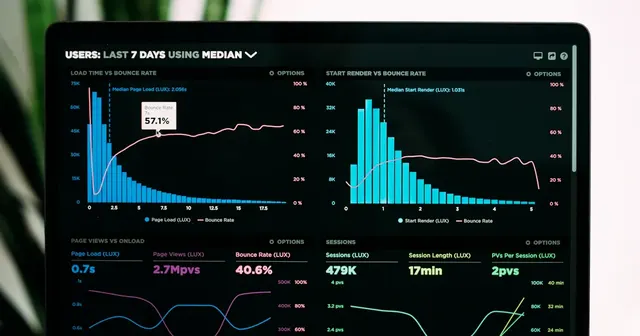
Evaluating RAG quality with the metrics that matter: retrieval vs generation scores, RAGAS, the RAG Triad, LLM-as-judge, and catching regressions.
AI · 2026-06-02 · 9 min read
-
Reducing Hallucinations with RAG

How reducing hallucinations with RAG actually works: grounding, where it fails, the techniques that lower the rate, and how to measure faithfulness.
AI · 2026-06-02 · 8 min read